7BitCasino crypto payments: Bitcoin, USDT and other supported coins
 Available in AU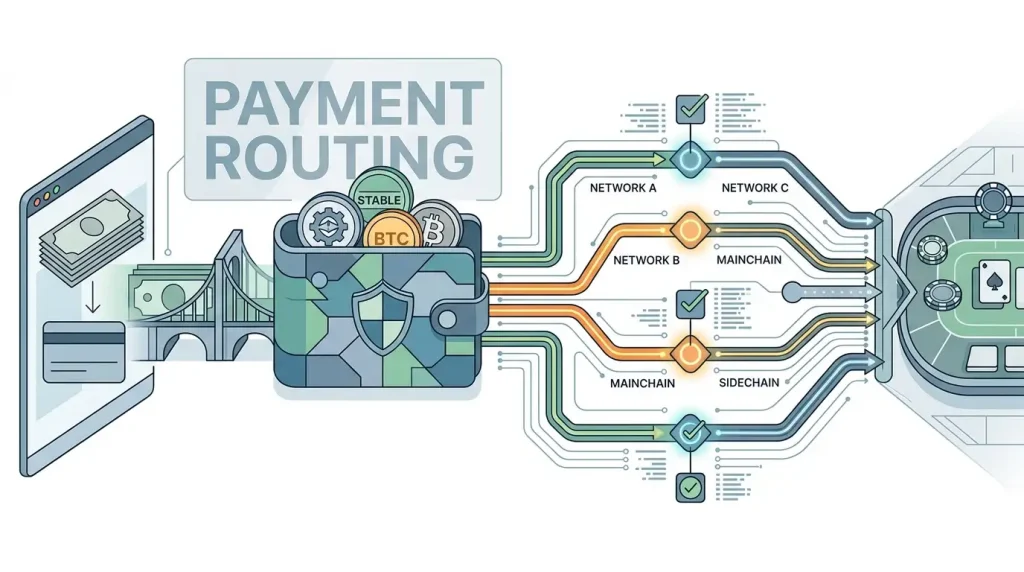
Crypto payments
7BitCasino supports a broad crypto set that includes BTC, ETH, LTC, DOGE, BCH, USDT, XRP, TRX, ADA and BNB in current official material. The casino also offers a Buy Crypto flow where a user can purchase USDT, BTC or TRX with fiat payment options such as Visa, Mastercard, PayPal, Apple Pay or Google Pay. That purchase flow is different from sending crypto directly from an external wallet.
The useful caution is that crypto does not remove account controls. KYC can still be requested before a payout, withdrawal rules still apply, and transaction success depends on using the correct asset, network and destination details. Crypto can change the mechanics of funding, but it does not create anonymous play or guarantee instant withdrawals.
Table of Contents
- Which cryptocurrencies are documented for 7BitCasino
- Buying crypto inside 7BitCasino is not the same as a direct crypto deposit
- USDT is useful only when the network matches
- Crypto funding still sits inside normal account controls
- Network fees and casino charges are separate concepts
- Crypto withdrawals are not guaranteed to be instant
- Correct wallet details matter more than crypto marketing claims
- How crypto fits with AUD and the wider cashier
- A crypto deposit checklist for 7BitCasino
- Crypto does not change the Australian regulatory distinction
- Where crypto genuinely changes the 7BitCasino payment experience
- 7BitCasino payments in AUD: cards, e-wallets and crypto
Which cryptocurrencies are documented for 7BitCasino
The current 7BitCasino terms and FAQ support a wide list of digital currencies: Bitcoin, Ethereum, Litecoin, Dogecoin, Bitcoin Cash, Tether, XRP, Tron, Cardano and BNB. That range covers both large-cap coins and a stablecoin option through USDT.
For practical use, the important point is not simply the length of the list. Each asset can have different network, wallet and processing requirements. The live cashier is therefore the place to confirm what is currently enabled for the account before sending funds.
| Asset | Typical role | What to check before transfer |
|---|---|---|
| BTC | Major cryptocurrency | Destination address and current cashier route |
| ETH | Major smart-contract asset | Supported network and address format |
| LTC | Payment-focused cryptocurrency | Correct Litecoin destination |
| DOGE | Payment-oriented coin | Asset selection and receiving address |
| BCH | Bitcoin-family payment asset | Do not confuse with BTC address details |
| USDT | USD-linked stablecoin | Token network, such as TRC20 or ERC20 where offered |
| XRP | Payment-network asset | Any required destination tag or equivalent detail |
| TRX | Tron network asset | TRON-compatible destination and network |
| ADA | Cardano asset | Correct Cardano wallet address |
| BNB | BNB ecosystem asset | Exact network supported in the cashier |
Buying crypto inside 7BitCasino is not the same as a direct crypto deposit
The current Buy Crypto page describes an integrated fiat-to-crypto route. A user first chooses a crypto asset, then selects a fiat payment method, enters the amount and, where required, selects the network. The page currently lists USDT, BTC and TRX as purchase choices.
This flow matters because it changes where conversion happens. With a direct crypto deposit, the user already owns the asset and sends it from an external wallet. With Buy Crypto, the user starts with a fiat payment method and purchases crypto through the integrated partner flow before the resulting crypto balance is credited.
7BitCasino currently names Visa, Mastercard, PayPal, Apple Pay and Google Pay as examples in this buy-crypto route. It also says conversion rates and fees are shown before confirmation. Those are features of the purchase flow, not proof that every payment method is available to every account or location.
USDT is useful only when the network matches
Stablecoins can look simpler because the unit is designed to track a fiat value, but the network layer still matters. 7BitCasino’s current Buy Crypto instructions explicitly show network choice in the purchase process and give TRC20 and ERC20 as examples.
That is a critical check because “USDT” alone does not identify a blockchain route. Sending a token on a network that the receiving side does not support can create a recovery problem. Before any transfer, compare the network shown in the casino cashier with the network selected in the wallet or purchase provider.
The same principle applies beyond USDT. A coin name is not enough when an asset can exist in wrapped or multi-chain forms. Use the exact deposit instructions displayed for the account rather than relying on a previous transaction or a image from another user.
Crypto funding still sits inside normal account controls
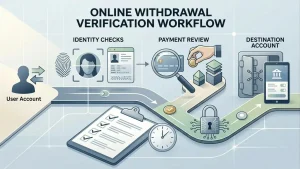
Crypto support does not bypass KYC. The current FAQ states that identity checks may be requested before payment, and the current terms reserve the right to verify identity before processing a payout. That applies to the account relationship, regardless of whether value entered as fiat or cryptocurrency.
This is why phrases such as “anonymous casino” or “no-KYC crypto withdrawals” would overstate what the evidence supports. Blockchain transfers can reduce dependence on card or bank rails, but the operator can still ask for identity information and payment ownership evidence.
Verification can still affect a crypto payout request, and the withdrawal guide explains that sequence in more detail. For readers comparing access on a phone, the 7BitCasino mobile covers browser-based use separately from payment mechanics.
Network fees and casino charges are separate concepts
A crypto transaction can involve costs at more than one layer. A blockchain network can require a transaction fee, a wallet or purchase provider can charge for conversion or service, and the casino can have its own withdrawal charge. These should not be collapsed into one number.
The current 7BitCasino FAQ says there are minor withdrawal charges on the casino side and points users to the payments page for details. The Buy Crypto page separately says users can see conversion rates and fees before confirming a purchase. Neither statement supports a universal fixed crypto fee for every asset and transaction.
For that reason, a useful review checks the displayed fee at the moment of the transaction rather than publishing a static percentage that may be wrong for a different asset, network or account.
Crypto withdrawals are not guaranteed to be instant
The current FAQ says a player with approved ID is typically processed immediately, but it also states that processing times can vary by deposit method. That is not a guarantee that every crypto withdrawal reaches a destination instantly.
There are at least two separate clocks. The casino may need to complete account checks and approve the withdrawal, and the blockchain then needs to process the transaction. Network congestion, confirmation requirements and wallet handling can affect the second stage.
Anyone comparing payout speed should therefore separate operator approval from blockchain settlement. A fast approval does not guarantee an immediate wallet balance update, and a blockchain delay does not necessarily mean the casino has not approved the request.
Correct wallet details matter more than crypto marketing claims
Current terms state that crypto withdrawals through CoinsPaid are sent to the unique address entered in the wallet and place responsibility on the user to make sure that address is correct and accessible. That is one of the most concrete operational risks on the crypto side.
A good pre-send routine is simple: confirm the selected asset, confirm the supported network, compare the first and last characters of the address after pasting, and make sure the destination wallet can receive that network. If the transaction requires an extra field such as a destination tag, check that as well.
This kind of procedure is more useful than describing crypto as automatically easier. Crypto can reduce some banking friction while adding a different category of irreversible user error.
How crypto fits with AUD and the wider cashier
7BitCasino also supports AUD as an account currency, so Australian readers are not limited to viewing the site through a crypto-only denomination. That is separate from the funding route. A user can encounter an AUD-facing account context while still choosing a crypto deposit or buy-crypto flow.
The broader 7BitCasino payments page explains how cards, e-wallets, AUD support and crypto sit together. This page stays focused on the digital-asset layer because that is where wallet ownership, network choice and conversion introduce extra decisions.
The main practical distinction is between the account’s displayed currency and the transfer asset. They can be different. Always check the conversion shown by the cashier rather than assuming a one-to-one relationship between an AUD balance and the amount of crypto sent.
A crypto deposit checklist for 7BitCasino
- Open the live cashier and confirm that the intended crypto asset is currently available.
- Check whether you are making a direct crypto deposit or using the Buy Crypto route.
- If a token has multiple networks, match the network exactly.
- Use a wallet or payment method that belongs to you.
- Review any conversion rate and service fee before confirming a fiat-to-crypto purchase.
- Do not assume crypto removes KYC or bonus conditions.
- For withdrawals, recheck the destination address and network before submission.
These checks take little time and address the mistakes most likely to matter operationally.
Crypto does not change the Australian regulatory distinction
Using Bitcoin, USDT or another digital asset does not turn an offshore casino service into an Australian-licensed one. Payment technology and regulatory status are separate questions. The full 7BitCasino Australia review explains the Australian context and the distinction between the operator’s overseas licensing position and local rules.
For the same reason, the presence of an integrated Buy Crypto feature should be read as evidence about payment functionality, not local regulatory approval. Users should assess the payment method and the legal context independently.
Where crypto genuinely changes the 7BitCasino payment experience
Crypto broadens the number of ways value can move into and out of a 7BitCasino account, and the current Buy Crypto feature lowers the barrier for users who start with fiat rather than an existing wallet balance. The trade-off is that the user must pay closer attention to asset, network, address and conversion details. Verification and withdrawal controls still apply, so crypto should be viewed as a payment rail rather than a shortcut around account rules. For an Australian reader, the most reliable approach is to confirm the current cashier options first and treat speed, fees and availability as transaction-specific rather than guaranteed.